Balancing Family Financial Woes: A Practical Guide
Navigate tough financial times with family: advice on budgeting, communication, and resources.


Have you ever wondered how to approach family financial troubles delicately? Whether it's a rough patch or a prolonged issue, tackling finances with family can be tricky. Let's dive into some practical steps to navigate these situations.
Start with Open Communication
Communication is key, but we often hesitate when it comes to money. Imagine this: your family gathers around the table for a casual dinner, and you tentatively bring up finances. There's an initial awkward pause, but soon everyone contributes their thoughts. This is the first step towards resolving financial concerns.

Here are a few tips to guide these conversations:
- Choose a neutral, comfortable setting for discussions.
- Be transparent about your concerns and ideas.
- Listen to family members' viewpoints without judgement.
- Keep focused on finding solutions.
Building a Family Budget
A family budget is like the financial blueprint for how you’ll spend and save your money collectively. It's important to involve all adult family members in this process.
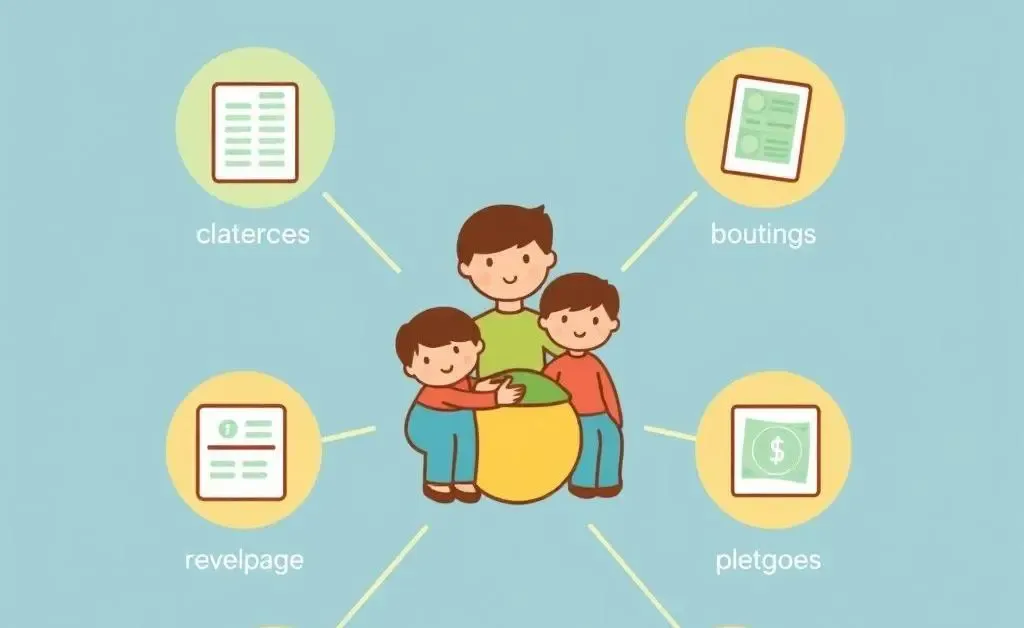
Divide responsibilities and make sure everyone understands the household's income and expenses. Consider these budget segments:
- Essentials: groceries, housing, utilities.
- Non-essentials: entertainment, dining out.
- Savings: contributions to an emergency fund.
- Debt Repayment: prioritize high-interest loans.
Establish an Emergency Fund
Why is an emergency fund crucial? Well, think of it as your financial cushion against unforeseen hiccups. It could be as simple as setting aside a small amount each month until you reach a comfortable amount.

Experts often recommend having 3-6 months' worth of living expenses saved. However, start with what's feasible for your family and gradually increase its size.
Seek External Help if Needed
There’s no shame in seeking help from financial advisors or counselors. These professionals can offer unbiased advice tailored to your family’s situation. Additionally, look into offering free or low-cost community resources—many organizations provide financial literacy programs.
Conclusion: Embracing Family Financial Health
Balancing family finances is a journey of collaboration, empathy, and learning. As each family has unique dynamics and challenges, tailor these strategies to best fit your circumstances. Along this journey, keep in mind that open dialogue and a proactive mindset go a long way.
So, what strategies do you find most effective when discussing finances with your family? Share your thoughts or experiences!