Demystifying Credit Scores: Everything You Need to Know
Unlock the secrets of credit scores: how they work, why they matter, and tips for a healthier score.

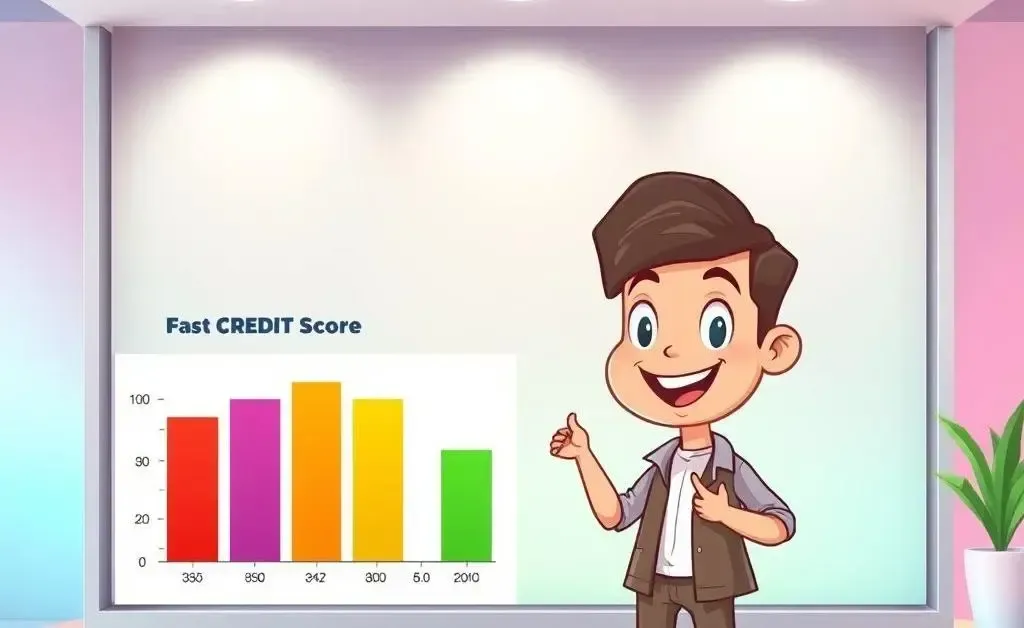
Hey there! If you're like me, getting a handle on your credit score might feel as mysterious as the plot of a complex thriller. But don't worry, we're in this together! Let’s break down the credit score matrix step by step, so you can walk away understanding exactly what impacts your score and how you can boost it.
What is a Credit Score?
Your credit score is a number that lenders use to decide how financially reliable you are. Think of it as your financial GPA. It's typically a number between 300 and 850, with higher numbers generally indicating a better credit history.
How is My Credit Score Calculated?
The exact formula can be a little murky — like grandma's secret cookie recipe — but generally, it's based on these factors:
- Payment History (35%): Late payments can ding your score!
- Credit Utilization (30%): This is about how much of your available credit you're using.
- Credit History Length (15%): Longer is generally better.
- New Credit (10%): Opening many accounts at once can seem risky.
- Credit Mix (10%): Having different types of credit is seen as positive.
Debunking Credit Score Myths
There are a lot of myths surrounding credit scores. Let’s tackle a few:
- Checking your score will hurt it: Only hard inquiries affect your score, not personal checks.
- Closing old accounts is good: It can actually shorten your credit history, which isn't great.
Why Does My Credit Score Matter?
Your score can affect your ability to get loans, credit cards, and even impact the interest rates you are offered. It can also play a role in housing applications — landlords often check your credit score before handing over the keys to that perfect apartment.

How Can I Improve My Credit Score?
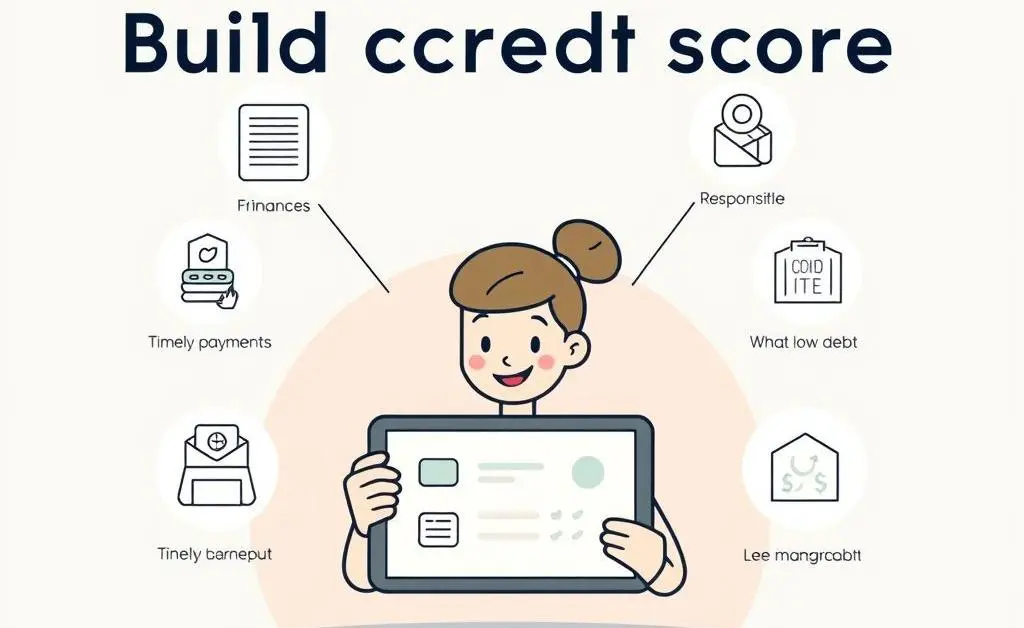
Improving your credit score doesn't happen overnight, but it's entirely doable with discipline and time:
- Pay on Time: Consistent, timely payments are crucial.
- Keep Balances Low: Aiming for a credit utilization below 30% is a great idea.
- Avoid Unnecessary Hard Inquiries: Each inquiry can take a few points off, so only apply for new credit when necessary.
- Review Your Reports: Regularly check your credit reports for errors and dispute anything that seems off.
Final Thoughts
Understanding your credit score might seem daunting, but with the right information at your fingertips, it's less mysterious. Whether you're looking to buy a new car, rent an apartment, or just improve your financial health, knowing how your credit score works can open doors. So, what’s your next move to boost that score? Share your thoughts in the comments!