Understanding and Preventing Credit Score Drops: Your Friendly Guide
Discover why credit scores drop and how to avoid sudden changes.

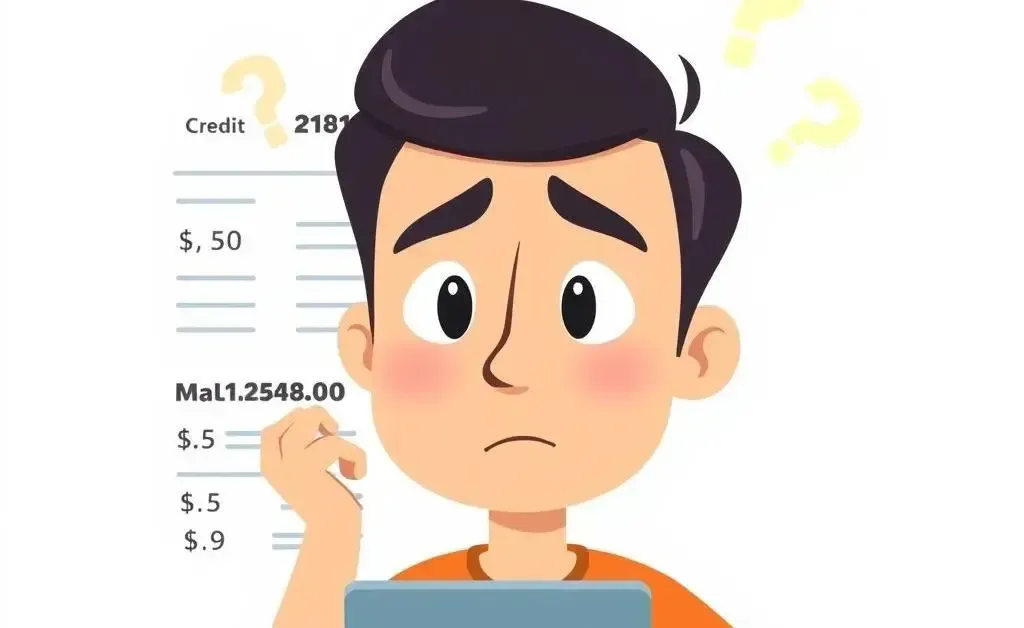
Ever Wonder Why Your Credit Score Drops?
Picture this: you're casually checking your credit score one day, feeling quite proud of your financial prowess, only to discover it's taken a mysterious dive. It's the kind of moment that makes anyone's heart skip a beat. So, what happened? And more importantly, what can you do about it?
Credit scores are those mysterious little numbers that wield so much power over our financial lives. Let's unpack why they drop—often when least expected—and how we can be mindful stewards of our financial footprint.
Common Reasons for a Credit Score Drop
Understanding what causes these dips in your credit score can feel like detective work, but don't worry, I've got you covered. Here are some of the usual suspects:
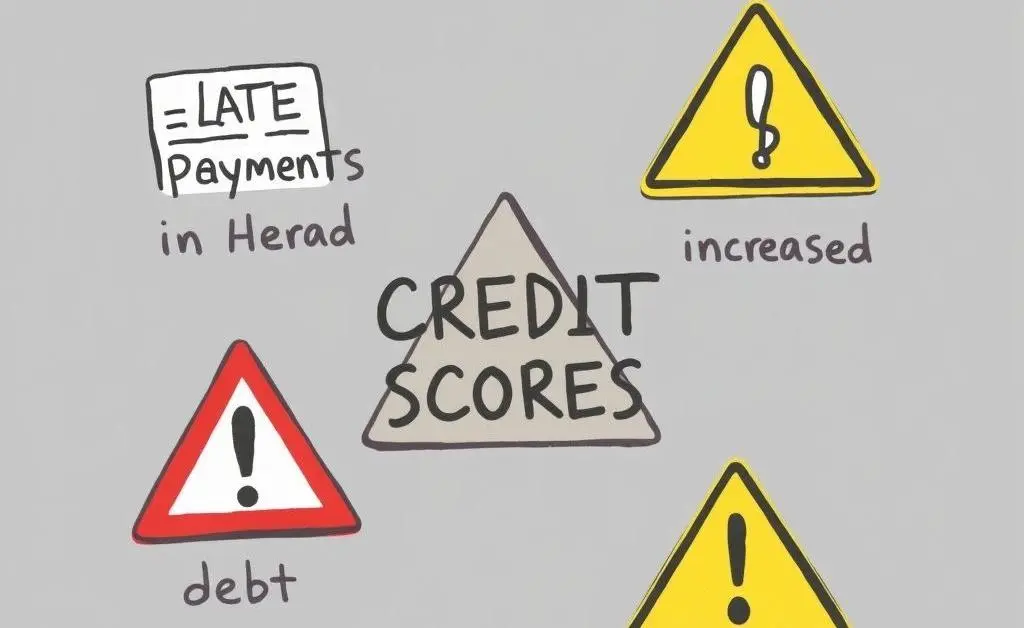
- Late or missed payments: This is a biggie. Timely payments are a huge part of your credit score, and any late payment can leave a mark.
- Increased Credit Utilization: If you've suddenly used a large chunk of your credit card limit, your credit score may react. Try to keep your credit use below 30% of your limit.
- Hard inquiries: Every time you apply for credit, a hard inquiry is noted, which could affect your score slightly. Too many at once can be problematic.
- Account closures: Closing old accounts might seem like a good way to simplify your finances, but it can actually increase your credit utilization ratio.
How to Bounce Back
Now that we know the culprits, let's discuss strategies to nurture your score back to health. Here's how you can take action if your credit score slips:
- Pay on time: As basic as it sounds, setting up automatic payments can ensure you never miss a due date again. Consistency here can work wonders.
- Reduce your debt: Focus on lowering the balances on your credit cards and avoid new debts. A steady course is key.
- Review your reports: Mistakes happen! Make a habit of reviewing your credit reports from the major bureaus and dispute any errors you find.
- Be selective with new credit: Only apply for new credit when it's absolutely necessary to keep those hard inquiries in check.
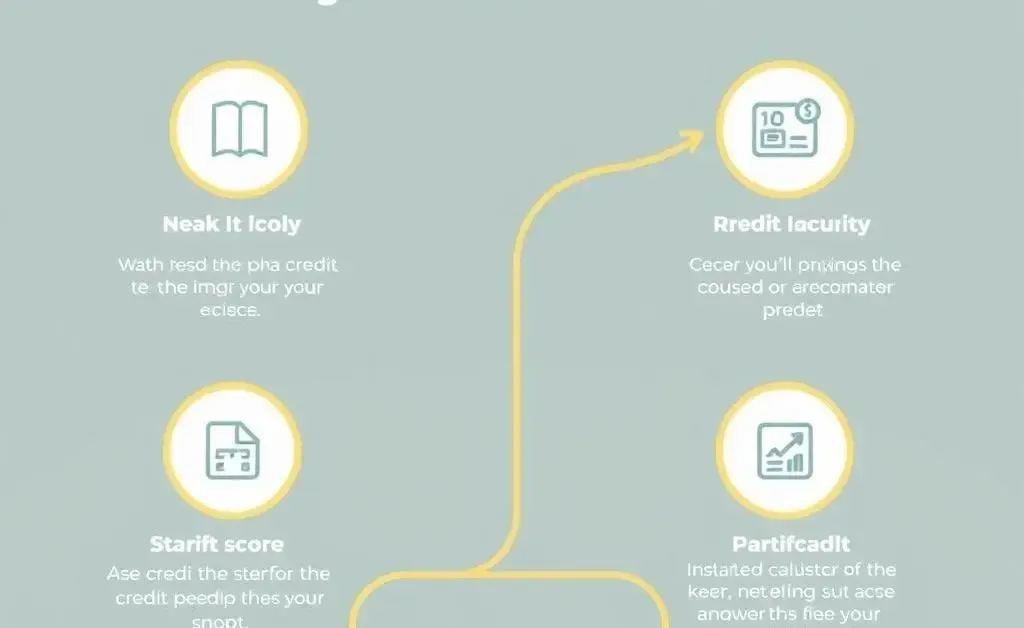
Reflecting on Financial Wellness
Think of your credit score like a garden—tending to it regularly ensures it flourishes over time. Being informed and proactive can help maintain that nice, healthy green patch.
Try not to stress too much over a dip; instead, see it as a gentle nudge to review and revise your financial strategies. Sometimes, a fresh new approach is all it takes.
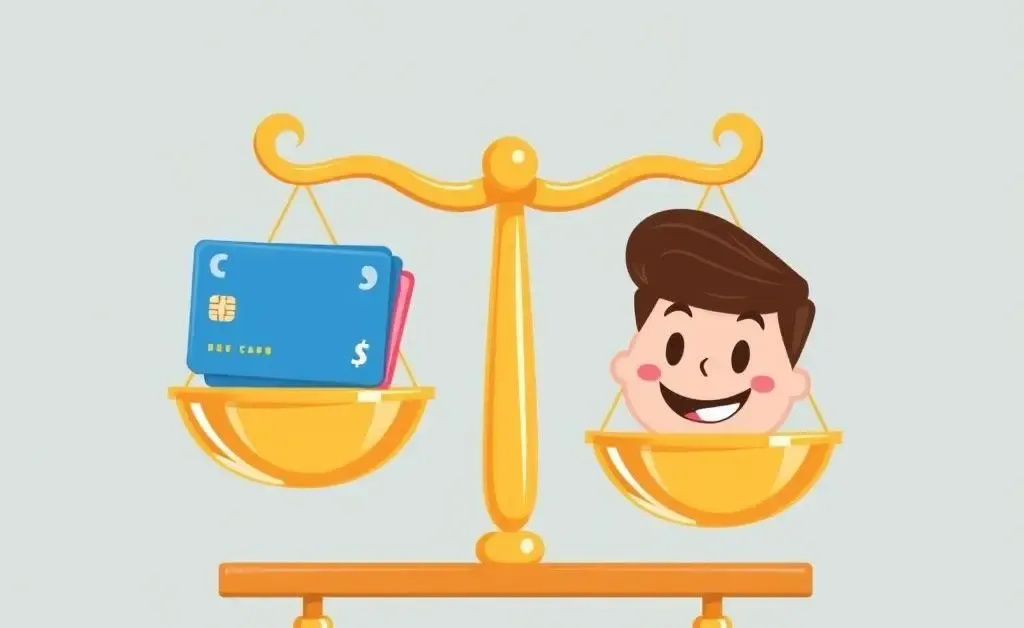
What have you found most helpful in maintaining your credit score? Feel free to share your own insights and stories!